
TMJ Disorders in Hyderabad
Expert Dental Care
Patient-Centered Approach
Modern Technology & Hygiene
Our Treatments
let us helping you by make an appointment
Don’t wait to take care of your teeth. Experience expert dental care in a warm, friendly environment.
Expert Diagnosis & Comfort-Focused Treatment
t Dr. Vamani’s Dental Clinic, we specialize in treating TMJ disorders in Hyderabad a group of conditions affecting the temporomandibular joint, which connects your jaw to your skull. When this joint or the surrounding muscles aren’t functioning harmoniously, you may experience pain, clicking, jaw locking, or difficulty while chewing or speaking. Our clinic offers personalized, minimally invasive care to help restore normal function and alleviate discomfort.
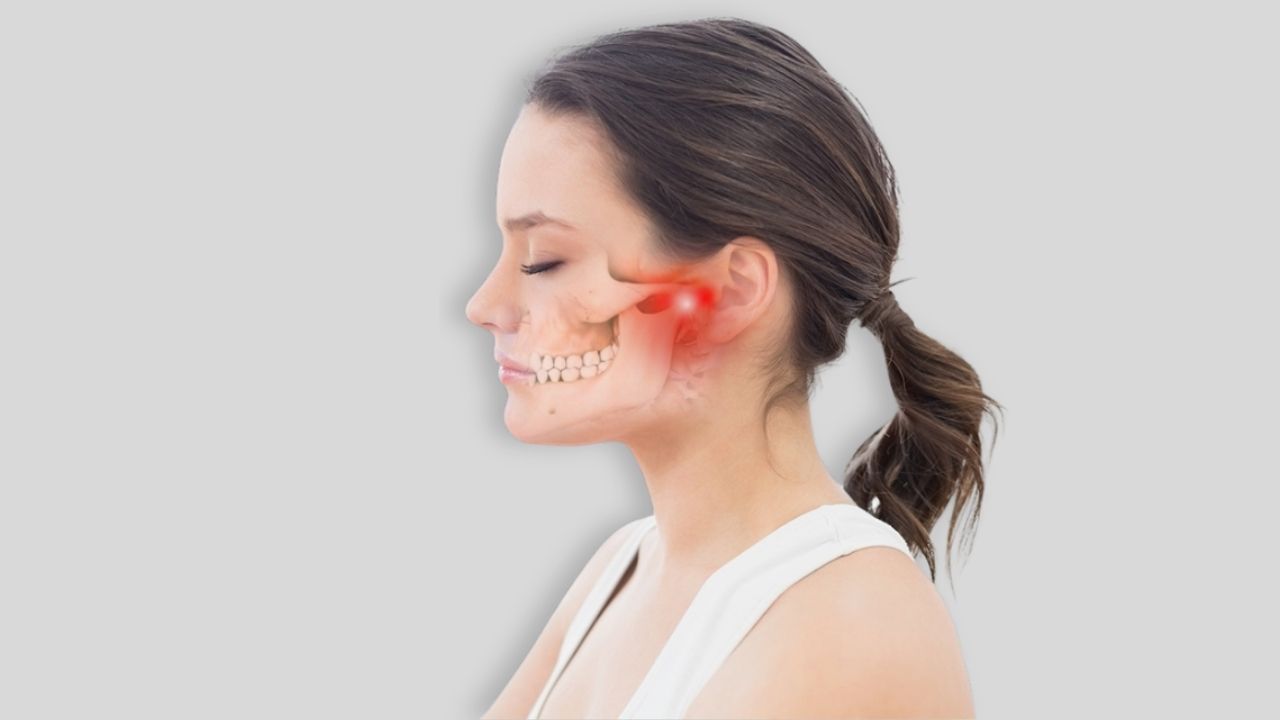
What Are TMJ Disorders?
Temporomandibular disorders (TMDs) encompass issues related to the jaw joint and the muscles controlling jaw movement. Everyday actions like eating, speaking, yawning, or even smiling require synchronized action of these structures. Disruptions whether due to muscle imbalance, disc displacement, injury, or arthritis can lead to inflammation, pain, and impaired function.
Common Symptoms of TMJ Disorders
Jaw or facial pain, particularly around the ear area
Clicking, popping, or grinding noises during jaw movement
Difficulty or locking when opening or closing the mouth
Headaches, neck or shoulder pain, and tooth sensitivity
Earaches, tinnitus, or dizziness possibly related to TMJ issues
What Causes TMJ Disorders?
TMD can result from a variety of factors:
Muscle overuse due to teeth grinding (bruxism), clenching, or gum-chewing
Misalignment of the teeth or jaw (malocclusion)
Injury, arthritis, disc displacement, or connective tissue conditions
Stress causing jaw tension and trigger-point formation in facial muscles
Why Choose Dr. Vamani’s Dental Clinic for TMJ Care
Specialized TMJ Assessment: Advanced diagnostics, including detailed jaw motion exams and imaging
Personalized, Non-Surgical Therapies: Including custom splints, posture training, and behavioral modifications
Pain Relief Focused: Combining physical therapy, relaxation techniques, and appropriate medications
Lifestyle Integration: Stress management education and home exercise protocols
How We Treat TMJ Disorders
Comprehensive Evaluation: Clinical exam, imaging, and jaw movement analysis
Customized Treatment Plan: May include mouth guards, stress reduction, and physiotherapy
Gentle Adjunct Therapies: Heat/cold packs, muscle massage, posture correction, guided exercises
Regular Follow-ups: Monitor healing and adjust treatment based on your progress
When Is a TMJ Disorder Serious?
Seek evaluation if you experience:
Persistent jaw or facial pain that affects daily life
Limited jaw movement or frequent jaw locking
Painful clicking or popping accompanied by discomfort
Frequent headaches, ear pain, or dizziness linked to jaw movement
Book Your Appointment Today
frequently asked question
Best Questions and Answers You for You
Many cases of TMJ discomfort improve with conservative measures such as rest, home exercises, and stress reduction. Chronic cases may need professional treatment.
Highly effective for reducing teeth grinding and tension on the jaw joint, especially when custom-fitted to your bite.
Stress can cause jaw muscle clenching, leading to pain. It often creates a cycle where pain worsens stress and tension, exacerbating symptoms.
Surgery is rarely required and considered only after non-surgical treatments fail such as persistent joint dysfunction or severe structural issues.
Use a night guard if you grind teeth, maintain proper posture, avoid hard food or chewing gum, and manage stress with relaxation techniques.